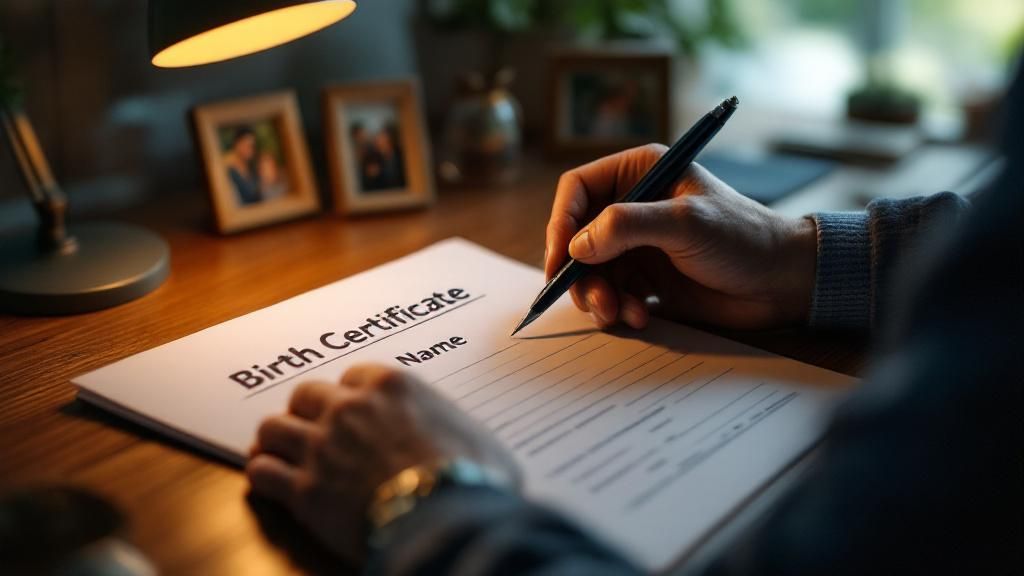
Last month, I received a call from a father in Texas whose ex-wife had filed paperwork to remove his surname from their seven-year-old daughter's name. "She's trying to erase me completely," he said, his voice breaking. This isn't an isolated incident. Our research shows that name disputes affect approximately 23% of divorced fathers, according to the American Academy of Matrimonial Lawyers, often serving as a painful battleground where legal rights collide with emotional warfare.
Understanding your father parental authority over child name decisions isn't just about legal technicalities—it's about protecting your fundamental role as a parent while navigating one of the most emotionally charged aspects of family disputes.
Understanding Your Legal Foundation as a Father
Most jurisdictions recognize that both parents share equal authority in naming decisions for their children. This means you don't need permission from your child's mother to include your surname in your child's legal name, nor can she unilaterally change it without court intervention or your consent. However, the reality on the ground is often more complex.
In my conversations with family law attorneys across the country this fall, I've learned that courts typically view name changes through the lens of "best interests of the child." This standard gives judges considerable discretion, which can work for or against fathers depending on how the case is presented.
When Challenges to Father Parental Authority Over Child Name Decisions Arise
Name disputes rarely happen in a vacuum. They're often symptomatic of broader power struggles within deteriorating relationships or post-divorce conflicts. I've seen cases where mothers attempt to hyphenate names without consent, remove father's surnames entirely, or even give children completely different surnames at birth without the father's knowledge.
The legal pathway varies by state, but generally requires proving that the name change serves the child's best interests. Courts consider factors like:
- The child's preference (if age-appropriate)
- Length of time the current name has been used
- Potential embarrassment or confusion
- Father's relationship with the child
- Reasons for the proposed change
The Hidden Emotional Warfare Behind Name Removal
Here's something most fathers don't realize: your deep connection to family heritage can become a weapon against you. When you openly express pride in your family name and lineage, you're essentially revealing pressure points that can be exploited during legal proceedings.
I've witnessed fathers become so emotionally invested in preserving their surname that they make strategic errors in custody negotiations. The irony? While honoring your family heritage is natural and important, your visible attachment to patriarchal lineage can become a vulnerability during divorce proceedings. When you're visibly proud of your family name and legacy, you inadvertently create pressure points that can be exploited in custody battles or financial negotiations.
The key isn't to abandon your values, but to strategically minimize how much emotional real estate your family pride occupies during legal proceedings. By appearing less attached to these symbolic elements, you remove potential leverage from your ex-spouse while protecting what truly matters: your relationship with your children and your financial security. We explore this further in Divorce Decree Name Change Rules: Protect Your Parental Rights.
Protecting Your Naming Rights: Practical Legal Steps
Don't wait until you're in crisis mode. Here's what proactive fathers can do:
Establish paternity immediately. If you're unmarried, ensure your name appears on the birth certificate and complete all paternity paperwork. This creates a legal foundation for your parental authority.
Document your involvement. Keep records of your participation in prenatal appointments, your presence at birth, and your ongoing relationship with your child. Courts favor fathers who demonstrate active engagement.
Address naming decisions upfront. If you're going through divorce, include naming rights in your custody agreement. Specify that neither parent can change the child's name without written consent or court approval.
Know your state's requirements. Some states require both parents' consent for any name changes, while others allow unilateral changes under specific circumstances. The National Conference of State Legislatures provides helpful state-by-state guidance.
Navigating the Emotional Impact
Let's be honest—having your parental naming authority challenged cuts deep. It feels like an attack on your identity, your heritage, and your role as a father. These feelings are valid, but they can't drive your legal strategy.
I've talked to countless dads who describe the experience as "death by a thousand cuts." Each legal filing, each court appearance, each discussion about their child's name chips away at their sense of paternal authority. The stress affects work performance, sleep, and relationships with other family members.
This is where our mission becomes crucial—helping fathers understand they're not alone in these battles and providing both practical and emotional support.
Strategic Approaches That Actually Work
Successful fathers in naming disputes often employ what I call the "collaborative strength" approach. Instead of digging in defensively, they focus on demonstrating their commitment to their child's wellbeing above all else. You might also find Father Rights: Stop Unwanted Child Name Changes Legally helpful.
Consider proposing compromises that protect your core interests while addressing legitimate concerns. Maybe that's agreeing to a hyphenated name or ensuring your surname remains part of the child's full legal name even if they use a different name socially.
Remember: judges are more impressed by fathers who can articulate why their naming preference serves their child's interests, not just their own emotional needs.
Building Your Documentation Strategy
Strong cases require strong evidence. Start collecting:
- Communication records showing your involvement in naming discussions
- Evidence of your active parenting role
- Documentation of any attempts to exclude you from decisions
- Records of child support payments and custody compliance
- Character references from teachers, coaches, or family friends
The goal isn't just to prove your rights exist, but to demonstrate you're a father worthy of those rights.
Working with Family Court Systems
Family courts can feel intimidating, but they're ultimately designed to protect children's interests. Judges appreciate fathers who come prepared, remain respectful, and focus on their children rather than personal grievances against their ex-partner.
Consider mediation before heading to court. Many naming disputes can be resolved through structured negotiation, saving both emotional energy and legal fees.
Moving Forward After Name Disputes
Whether you win or lose in court, the relationship with your child continues. Some fathers worry that name disputes will permanently damage their bond with their children, but I've seen many families heal from these conflicts when fathers maintain focus on what matters most: being present, involved, and loving parents.
Your child's surname is important, but it's not the sum total of your relationship. Your daily actions, your consistency, and your love will shape their understanding of who you are far more than what appears on legal documents.
Frequently Asked Questions
Can a mother legally change our child's name without my consent?
Generally, no. In most states, both legal parents must consent to name changes, or the requesting parent must obtain court approval. However, requirements vary by jurisdiction, so consult with a local family law attorney for specific guidance.
What if my name isn't on the birth certificate?
If paternity hasn't been legally established, you'll need to complete that process first before asserting naming rights. This typically involves paternity testing and court filings, but once established, you gain full parental authority including naming decisions.
How much does it cost to fight a name change in court?
Legal fees vary widely based on location and case complexity, but expect costs ranging from $2,500 to $10,000 for contested name change proceedings. Many attorneys offer payment plans, and some fathers qualify for legal aid assistance.
Will fighting over names hurt my custody case?
Not necessarily, but your approach matters. Courts favor parents who demonstrate flexibility and focus on children's needs. Framing your position around stability and heritage rather than control or spite tends to be more effective.


