I watched a colleague break down in tears during a father's support group last spring. His eight-year-old son had called him "not my real dad anymore" after spending months hearing carefully crafted messages from his ex-wife. The devastation on his face was something I'll never forget — but what happened next changed everything. Instead of fighting fire with fire, he chose a different path. Three years later, that same son now calls him every day and begs to spend extra time at dad's house.
The difference? He learned to navigate children's loyalty conflict during divorce proceedings not by battling the system, but by becoming the parent his child couldn't resist being around.
Understanding Children's Loyalty Conflicts: The Hidden Emotional Battlefield
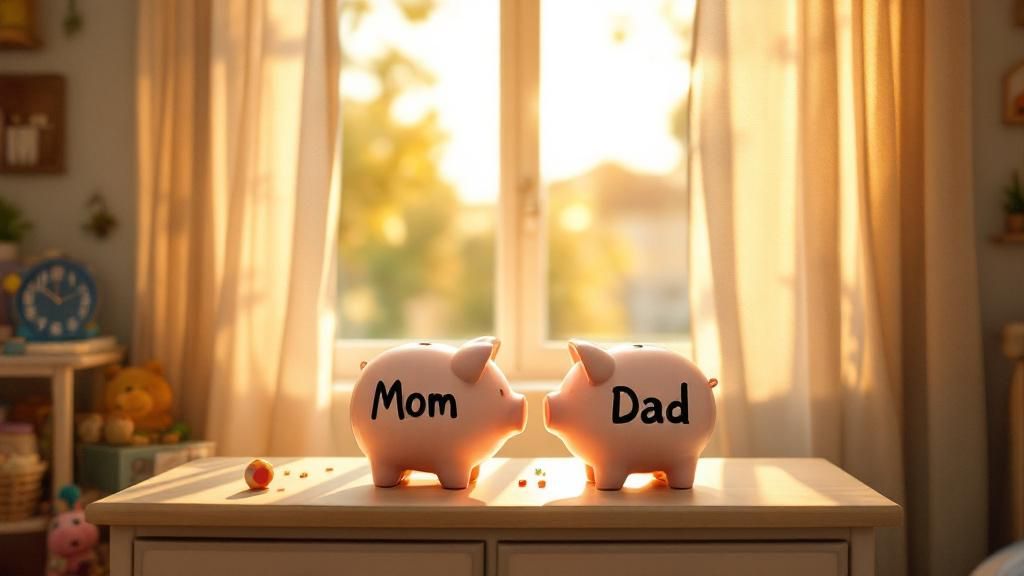
When parents separate, kids often feel like they're being asked to pick sides in a war they didn't start. This internal struggle — what psychologists call loyalty conflict — can tear children apart emotionally. They love both parents, but suddenly expressing that love feels dangerous.
According to research from the American Psychological Association, approximately 35% of children in high-conflict divorces experience significant loyalty conflicts that impact their emotional well-being for years. These kids develop anxiety, depression, and relationship issues because they're constantly walking an emotional tightrope.
Here's what most fathers don't realize: your child's apparent rejection isn't necessarily real rejection. It's often a survival mechanism. Kids learn quickly that showing love for one parent might trigger anger, sadness, or conflict with the other. So they compartmentalize their feelings to keep peace.
Why Fighting the System Often Backfires: The Counterintuitive Truth
Every instinct tells you to fight when someone tries to turn your children against you. You want to defend yourself, expose lies, and demand justice. But I've seen this approach destroy more father-child relationships than it saves.
When you constantly battle in court or argue about the truth, your kids don't see a hero — they see more conflict. They watch dad and mom fighting, and it reinforces their belief that loving both parents causes chaos. Instead of drawing closer to you, they often withdraw further to protect themselves.
The counterintuitive truth? The fathers who stop fighting the system and start focusing on their relationship with their children typically win in the long run. Not in court, necessarily, but in their kids' hearts.
Living Well to Attract Your Kids: Becoming the Parent They Choose
Children are naturally drawn to stability and joy, especially when their world feels chaotic or heavy with adult conflicts. When you're facing limited time with your children, your most powerful tool isn't fighting the system — it's becoming the parent they genuinely want to be around.
Every interaction you have becomes magnified in importance. Are you showing up as your best self? Genuinely happy? Emotionally steady? Thriving despite the circumstances? This creates an irresistible pull that no court order can manufacture.
Think about it: would you rather spend time with someone who's constantly angry, bitter, and talking about legal battles, or someone who makes you laugh and feel safe? Your kids feel the same way. They remember how you make them feel, not the legal details of custody arrangements.
One father I know transformed his relationship with his teenage daughter by learning to cook her favorite meals, taking up photography (her passion), and creating a judgment-free zone where she could talk about anything — including her mom. When he stopped competing for her loyalty and started earning her genuine affection, everything changed.
The 50% Send, 50% Save Strategy: Maintaining Connection During Separation
Here's a strategy that's helped countless fathers navigate children's loyalty conflict during divorce proceedings while protecting their long-term relationship with their kids: the 50% Send, 50% Save method.
Continue writing cards, buying gifts, and collecting meaningful items for your children, but only send half of what you create or purchase. Keep the other half safely stored for when your children are adults.
Why does this work? It protects you on multiple fronts. If items never reach your children (which sadly happens during high-conflict situations), you have proof of your consistent efforts and love. If you stop sending things entirely, your ex-partner may tell the children you've abandoned them, which deepens the alienation.
Years later, when your adult children discover the boxes of unsent letters, gifts, and mementos you saved, they'll see undeniable evidence that you never stopped thinking of them. You never stopped trying. You never stopped being their father.
I've witnessed reunions where grown children wept over decade-old birthday cards their father had written but never sent. Those moments prove that love preserved is never love wasted.
Creating a Safe Emotional Space for Your Children
Your children need permission to love both parents without consequence. Create this safety by never speaking negatively about their mother, even when she doesn't extend the same courtesy. Don't ask them to carry messages or report on what happens at mom's house.
Instead, make your time together a sanctuary. Focus on building memories, not defending your position. When they mention mom, respond neutrally: "That sounds nice" or "I'm glad you had fun." This communicates that loving both parents is safe and acceptable.
Remember, children only have one biological father in their entire lifetime, and this bond runs deeper than most fathers realize. Even when kids face false allegations about you or struggle with divided loyalties, that fundamental connection remains unshakeable. Related reading: How to See My Kids After Divorce: A Father's Complete Guide.
Practical Tools for Reducing Your Child's Internal Conflict
Start using "permission-giving" language. Say things like: "I love you no matter what," "You don't have to choose between mom and dad," and "My love for you isn't going anywhere." These simple phrases can ease tremendous internal pressure.
Keep conversations age-appropriate but honest. If your ten-year-old asks why they can't see you more often, you might say: "Sometimes adults have disagreements about schedules, but that has nothing to do with how much I love you."
Document positive interactions through photos, videos, and journal entries. Not for court, but for your child's future understanding. Our mission includes helping fathers preserve these precious memories for the day when their children are ready to see the full picture.
Building Long-term Relationships Beyond the Legal Battle
The legal system focuses on immediate custody arrangements, but your real goal is a lifelong relationship with your children. Think decades ahead. What kind of father do you want to be remembered as?
As children mature and develop independent thinking, they naturally gravitate back toward their father. The love you pour into them today — that genuine, protective care only a dad can provide — comes back multiplied when they're old enough to see past temporary obstacles.
Focus on being present in whatever capacity you're allowed. Attend school events. Send encouraging texts before big tests. Remember important dates. Show up consistently, even in small ways. These actions speak louder than any court argument.
When to Seek Professional Help: Recognizing the Warning Signs
Sometimes professional intervention becomes necessary. Seek help from a family therapist specializing in divorce when your child shows signs of severe anxiety, depression, or begins expressing inappropriate adult concerns about the divorce.
If your child completely refuses contact or expresses fear of you without cause, consider working with a reunification specialist. Our research shows that early intervention can prevent long-term relationship damage.
Remember, seeking help isn't admission of failure — it's prioritizing your child's emotional well-being above your pride.
FAQ: Common Questions About Children's Loyalty Conflicts
How long does it typically take for children to overcome loyalty conflicts?
Every situation is unique, but most children begin processing these conflicts more clearly as they reach their teens and early twenties. The key is maintaining consistent, positive contact throughout the difficult period.
What if my child refuses to see me entirely?
Continue the 50% Send, 50% Save strategy, document your efforts, and consider working with a family therapist. Many fathers have successfully rebuilt relationships after periods of complete estrangement by remaining patient and consistent.
Should I tell my children the truth about what their mother is saying about me?
Generally, no. Children aren't equipped to handle adult relationship conflicts. Focus on being the stable, positive presence they need rather than defending yourself through them.
How can I tell if the loyalty conflict is affecting my child's mental health?
Watch for changes in sleep patterns, academic performance, social withdrawal, excessive anxiety, or age-inappropriate concerns about adult matters. These may indicate professional help is needed.
The path through children's loyalty conflicts isn't easy, but it's navigable. By focusing on becoming the father your children want to be around rather than fighting battles they can't understand, you're planting seeds for a relationship that will flourish long after the divorce papers are forgotten. Your consistent love, preserved and expressed wisely, will ultimately guide them home.